
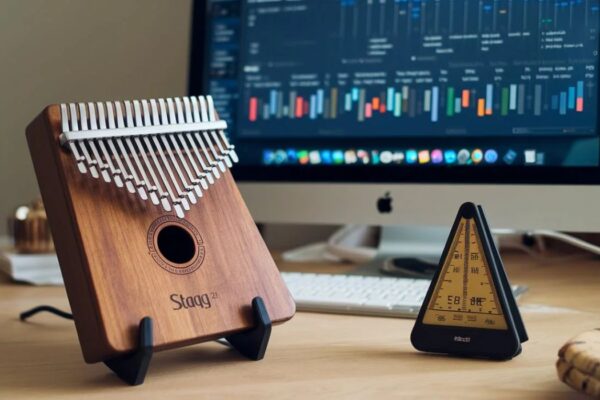
A 21-key kalimba can be tuned accurately with a Mac tuner application, a good microphone, and a quiet room. The phrase “Stagg 21 Kalimba tuning software” may suggest a dedicated tool, but any reputable chromatic tuner that displays note name and pitch deviation can support the process.
Understanding the Topic
Each metal tine produces a pitch that changes when the tine is moved slightly inward or outward. The target layout depends on the instrument’s tuning and key, so users should confirm the supplied note chart before adjusting anything.
The most reliable interpretation comes from the complete context: where the phrase appeared, who published it, what action the reader is being asked to take, and whether that information can be checked elsewhere. This approach is especially important when a title combines a brand, person, number, location, or unfamiliar web address.
Why Careful Verification Matters
Small tuning errors are obvious when notes are played together, yet over-adjustment can damage a tine or create a cycle of chasing unstable readings. A slow, repeatable method protects the instrument and produces a more musical result.
Good verification is not about assuming that every unfamiliar result is unsafe. It is about matching the level of trust to the quality of the evidence. Low-risk reading may require only a browser check, while travel, payment, account access, health, legal, or financial decisions deserve stronger confirmation.
A Practical Step-by-Step Approach
Use the following sequence as a working checklist. Complete the early identification steps before moving to a payment, visit, download, sign-in, or public claim.
- Confirm the 21-note layout from the instrument manual or engraved labels. This keeps the decision tied to evidence instead of assumptions and creates a clear next action.
- Place the kalimba near the Mac microphone in a quiet, soft-furnished room. This keeps the decision tied to evidence instead of assumptions and creates a clear next action.
- Pluck one tine gently and wait for the tuner reading to stabilize. This keeps the decision tied to evidence instead of assumptions and creates a clear next action.
- Tap the tine in very small increments with the proper tuning hammer. This keeps the decision tied to evidence instead of assumptions and creates a clear next action.
- Recheck neighboring notes and play scales after every tuning pass. This keeps the decision tied to evidence instead of assumptions and creates a clear next action.
Details Worth Checking
The following signals do not guarantee a perfect outcome, but together they make the information easier to trust, reproduce, and correct.
- The tuner is set to chromatic mode and the intended reference pitch.
- The displayed note matches the target octave, not only the letter name.
- Background noise and sympathetic vibration are not confusing the reading.
- The tine remains centered and has enough clearance to vibrate freely.
- Readings remain stable after the instrument rests for a few minutes.
Common Mistakes to Avoid
Most preventable problems begin when a reader fills in missing context with a convenient assumption. Avoid these patterns:
- Striking the tine hard enough to bend or mark it.
- Adjusting several notes before confirming the target chart.
- Using a phone or laptop microphone beside a fan or loud room.
- Forcing a tine that is stuck instead of inspecting the bridge and hardware.
A Practical Scenario
Tune the center tines first, then move outward while muting neighboring tines lightly. Record the starting and final readings so a note that behaves unusually can be checked for mechanical issues rather than adjusted repeatedly.
When the evidence remains incomplete, the responsible conclusion is simply that the detail is unconfirmed. That is more useful than presenting a confident answer that another reader cannot verify.
Readers should also revisit the decision when new information appears. Save the source date, note which details were independently checked, and distinguish a permanent fact from a temporary price, policy, role, promotion, software version, or access rule. That small record makes future updates faster and prevents an old conclusion from being treated as permanently current.
Important: Instrument construction varies. Stop if a tine binds, cracks, or requires unusual force and consult the manufacturer or a qualified instrument technician.
Frequently Asked Questions
What is the safest first step when researching Stagg 21 Kalimba Tuning Software for Mac?
Start by confirming the exact name, source, platform, product, or location involved. Use an official or independently verified reference before acting on a search result, message, offer, or copied description.
Can one search result confirm the details about Stagg 21 Kalimba Tuning Software for Mac?
No. Search results can be incomplete, outdated, or copied from another page. Compare the underlying sources, check dates and ownership, and note any details that remain uncertain.
What warning signs should readers watch for?
Pressure to act immediately, requests for passwords or unusual payment methods, unclear ownership, missing policies, inconsistent names, and forced downloads are strong reasons to stop and verify.
How can readers keep a useful record?
Save the exact URL or source, screenshots of important terms, dates, receipts or messages, and the independent reference used for verification. Good records make later questions easier to resolve.
Related Reading
- Discover the Rich History of Standel A20R Vintage Amp
- 941-291-1453: How to Verify an Unknown Phone Number Safely
- Collaborative Features in Advanced Cloud Testing Platforms
Return to The co Box homepage or browse the Technology section.