
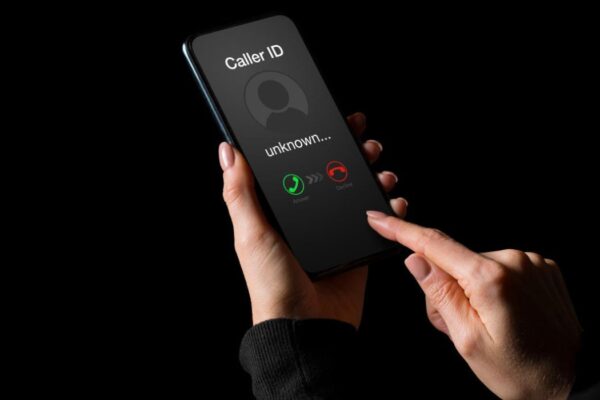
An unfamiliar phone number such as 941-291-1453 may belong to a person, business, automated service, reassigned line, or spoofed caller ID. A number alone is not enough to establish identity, legitimacy, or location, so the safest response is to verify the context before returning a call or sharing information.
Understanding the Topic
The 941 area code is only one clue and should not be treated as proof that a caller is physically located in the same region. Modern calling systems can forward numbers, use internet telephony, or display a forged caller ID, which is why the message content and independent verification matter more than the digits.
The most reliable interpretation comes from the complete context: where the phrase appeared, who published it, what action the reader is being asked to take, and whether that information can be checked elsewhere. This approach is especially important when a title combines a brand, person, number, location, or unfamiliar web address.
Why Careful Verification Matters
Unknown calls can be harmless, but they can also involve phishing, payment pressure, account takeovers, or attempts to collect personal details. A calm verification routine reduces the chance of missing a real call while avoiding impulsive decisions based on urgency or authority claims.
Good verification is not about assuming that every unfamiliar result is unsafe. It is about matching the level of trust to the quality of the evidence. Low-risk reading may require only a browser check, while travel, payment, account access, health, legal, or financial decisions deserve stronger confirmation.
A Practical Step-by-Step Approach
Use the following sequence as a working checklist. Complete the early identification steps before moving to a payment, visit, download, sign-in, or public claim.
- Let an unknown call go to voicemail when there is no expected contact. This keeps the decision tied to evidence instead of assumptions and creates a clear next action.
- Read the message without opening links or calling a number supplied in the message. This keeps the decision tied to evidence instead of assumptions and creates a clear next action.
- Search for the organization through its official website or statement. This keeps the decision tied to evidence instead of assumptions and creates a clear next action.
- Return the call using a verified public number when the claim appears legitimate. This keeps the decision tied to evidence instead of assumptions and creates a clear next action.
- Block and report repeated calls that use threats, impersonation, or payment pressure. This keeps the decision tied to evidence instead of assumptions and creates a clear next action.
Details Worth Checking
The following signals do not guarantee a perfect outcome, but together they make the information easier to trust, reproduce, and correct.
- The caller states a clear name, organization, and reason for contact.
- The callback number matches an independently located official source.
- The caller can reference non-sensitive context without asking for passwords.
- Payment requests use normal invoicing rather than gift cards or cryptocurrency.
- The communication allows time to verify instead of demanding immediate action.
Common Mistakes to Avoid
Most preventable problems begin when a reader fills in missing context with a convenient assumption. Avoid these patterns:
- Confirming personal details to an unsolicited caller.
- Trusting the displayed area code as proof of identity.
- Clicking a shortened link in a text message.
- Calling back a premium or international number without checking it.
A Practical Scenario
If a caller claims to represent a bank, delivery company, clinic, or government office, end the call politely and use the number on a card, statement, official website, or known account portal. A legitimate organization should accept independent verification and should not require a password or one-time code over an unsolicited call.
When the evidence remains incomplete, the responsible conclusion is simply that the detail is unconfirmed. That is more useful than presenting a confident answer that another reader cannot verify.
Readers should also revisit the decision when new information appears. Save the source date, note which details were independently checked, and distinguish a permanent fact from a temporary price, policy, role, promotion, software version, or access rule. That small record makes future updates faster and prevents an old conclusion from being treated as permanently current.
Important: This page does not identify the owner of the number. Phone-number assignments and caller-ID displays can change or be spoofed.
Frequently Asked Questions
What is the safest first step when researching 941-291-1453?
Start by confirming the exact name, source, platform, product, or location involved. Use an official or independently verified reference before acting on a search result, message, offer, or copied description.
Can one search result confirm the details about 941-291-1453?
No. Search results can be incomplete, outdated, or copied from another page. Compare the underlying sources, check dates and ownership, and note any details that remain uncertain.
What warning signs should readers watch for?
Pressure to act immediately, requests for passwords or unusual payment methods, unclear ownership, missing policies, inconsistent names, and forced downloads are strong reasons to stop and verify.
How can readers keep a useful record?
Save the exact URL or source, screenshots of important terms, dates, receipts or messages, and the independent reference used for verification. Good records make later questions easier to resolve.
Related Reading
- Discover the Rich History of Standel A20R Vintage Amp
- Collaborative Features in Advanced Cloud Testing Platforms
- Fapelli: A Privacy-First Guide to Evaluating an Unfamiliar Website
Return to The co Box homepage or browse the Technology section.